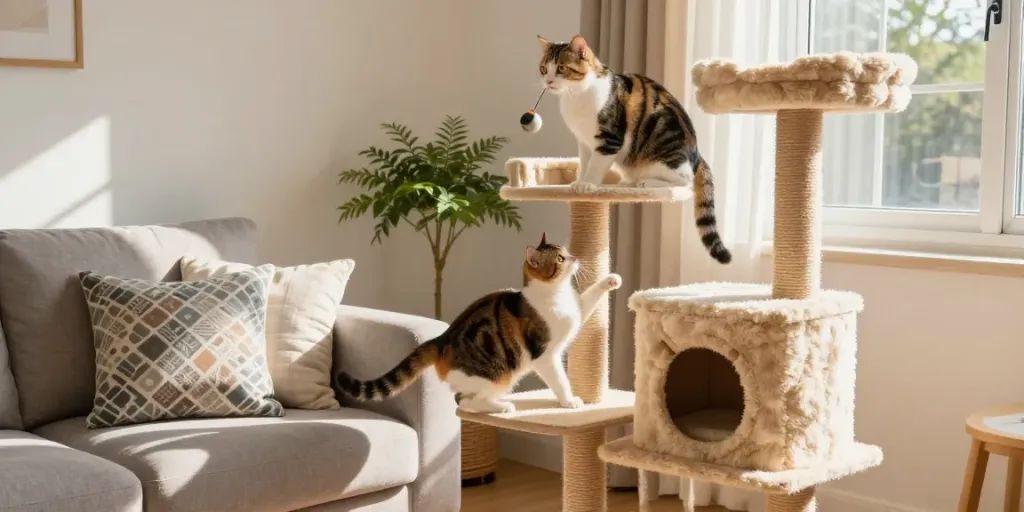
The Importance of Cat Trees for Feline Wellbeing
For cat owners, understanding the significance of cat trees in promoting feline wellbeing is crucial. These structures are not just whimsical furniture; they serve multiple essential functions that resonate deeply with a cat's instincts and needs. Cats are natural climbers and explorers, and providing them with an appropriate environment that mimics their wild ancestry is vital for their mental and physical health.
Understanding Cat Behaviour and Needs
To appreciate the necessity of cat trees, it’s important to delve into feline behaviour. Cats are inherently territorial animals and thrive in environments that stimulate their senses and intellect. They require vertical space to feel secure and to observe their surroundings from a height. This instinct can be attributed to their ancestry as hunters. In the wild, the ability to climb trees offers both safety from predators and a vantage point for spotting prey. A well-designed cat tree satisfies these primal urges, allowing indoor cats to express their natural behaviours safely.
Physical and Mental Health Benefits
The health benefits of cat trees extend beyond mere entertainment. Physically, these structures provide opportunities for climbing, jumping, and scratching, which are essential for maintaining muscle tone and preventing obesity. The multi-level design encourages activity and helps prevent the lethargy that can lead to health issues such as diabetes.
Mentally, cat trees provide a crucial outlet for stimulation. They can reduce boredom and the destructive behaviours that often accompany it. A cat that is active and engaged is less likely to engage in unwanted behaviours such as scratching furniture or excessive meowing. Moreover, the various platforms and hiding spots can offer a cat a sense of security, reducing anxiety and stress levels.
Creating an Engaging Environment
Integrating cat trees into your home creates a more engaging environment for your feline companion. Not only do they serve as play structures, but they also act as safe havens for resting and observing the household dynamic. Many modern cat trees come equipped with additional features such as tunnels, toys, and scratching posts, allowing for a versatile play experience that can be adapted to suit your cat's unique preferences.
Types of Cat Trees: A Comprehensive Guide
Overview of Different Designs and Materials
Cat trees come in a variety of designs and materials, catering to different tastes and preferences. From minimalist modern designs to elaborate multi-level structures, there is something for every home and every cat. Common materials used include wood, pressed wood, and carpet, each providing a different aesthetic and level of durability.
Wooden cat trees are often more durable and can be more visually appealing, fitting seamlessly into home decor. On the other hand, carpeted trees may be cozier for the cat but could require more maintenance. The choice of material should reflect both your personal style and your cat's needs.
Choosing the Right Cat Tree for Your Space
When selecting a cat tree, consider the available space in your home. A larger structure may be ideal for spacious living areas, providing ample room for multiple cats to enjoy. Conversely, compact designs suit smaller homes. Measure your space and plan where the cat tree will be located to ensure it does not overwhelm the room while still offering a stimulating environment for your cat.
Innovative Features in Modern Cat Trees
The cat furniture industry has seen significant innovations, with many companies integrating modern features into their designs. Features such as removable and washable covers, built-in toys, and adjustable heights can enhance the usability and appeal of cat trees. Some models even incorporate interactive elements that allow owners to engage with their cats remotely, adding another layer of entertainment.
How to Select the Best Cat Tree for Your Pet
Evaluating Size and Stability
When investing in a cat tree, size and stability are paramount considerations. Ensure the tree is tall enough for your cat to climb comfortably, with sufficient platforms and resting spots. Stability is also essential; the tree should not wobble or tip over easily, as this could frighten your cat and prevent them from using it.
Materials and Safety Considerations
Safety is a top priority when it comes to selecting a cat tree. Avoid materials that could splinter or break easily, and ensure any fabrics used are non-toxic. Look for designs that have undergone safety testing and meet industry standards. Additionally, consider features like rounded edges and secure fastening to prevent accidents.
Budget-Friendly vs. Premium Options
Cat trees are available at various price points, from budget-friendly models to premium options laden with features. Assess your budget and the specific needs of your cat. While a lower-cost model may seem appealing, investing in a high-quality cat tree can pay off in durability and increased enjoyment for your pet. Premium models often come with warranties that can protect your investment over time.
Setting Up and Maintaining Your Cat Tree
Optimal Placement for Cat Trees in Your Home
Placement can significantly affect the usage of a cat tree. It should be situated in a location where your cat feels safe and comfortable, ideally near a window for them to observe outdoor activities. Avoid placing it in busy areas where the cat may feel insecure. Additionally, placing the tree against a wall can provide extra support and stability.
Regular Cleaning and Maintenance Tips
Maintaining a cat tree is essential for hygiene and longevity. Regularly check for signs of wear and tear, and clean the surfaces to prevent the build-up of fur and dirt. Most fabric-covered trees can be vacuumed, while wooden structures can be wiped down with a damp cloth. It is also wise to replace any broken or frayed components to ensure the tree remains safe for play.
Enhancing the Cat Tree Experience with Accessories
Enhancing your cat tree experience can be achieved through the addition of accessories. Consider incorporating toys, blankets, or even catnip-infused products to enrich playtime. These elements can draw your cat to the tree more frequently, making it a central point of interest in your home.
Future Trends in Cat Furniture for 2026 and Beyond
Innovations in Cat Tree Design Sustainability
As environmental consciousness grows among consumers, the demand for sustainable cat furniture is on the rise. Look for cat trees made from eco-friendly materials that promote responsible sourcing and manufacturing. Brands are increasingly focusing on sustainability and offering products that appeal to environmentally conscious pet owners.
Technology Integration in Cat Trees
The integration of technology into cat trees is an exciting trend that is likely to thrive in 2026 and beyond. Features like automated play systems and smart sensors that engage cats in their play can transform how cats interact with their furniture. This technology can enhance their physical activity and keep them mentally stimulated.
Predictions for Cat Owner Preferences
As pet owners become more invested in their cats' wellbeing, preferences are shifting towards multifunctional designs that cater to various needs. Expect to see more cat trees that blend seamlessly into home décor, providing both functionality and aesthetic appeal. Additionally, as urban living spaces become more compact, demand for space-saving designs will likely increase.
What are the health benefits of cat trees?
Cat trees offer numerous health benefits, including opportunities for physical exercise, mental stimulation, and stress relief. By encouraging climbing and scratching, they help maintain healthy muscle tone and avoid obesity in indoor cats.
How can I choose the right cat tree for my home?
Choosing the right cat tree involves considering the size of your space, your cat's personality, and the features that would best suit their needs. It's essential to evaluate stability, safety, and materials to ensure a good fit.
What features should I look for in a quality cat tree?
Look for sturdy construction, safe materials, and features that encourage play and exercise. Additional elements like scratching posts, hiding spots, and comfortable resting areas can enhance your cat's experience.
Are there specific cat trees for large breeds?
Yes, many manufacturers design cat trees specifically for larger breeds, providing extra stability and size. These trees typically feature wider platforms and reinforced bases to accommodate bigger weights.
How often should I clean and maintain my cat tree?
Regular maintenance is vital; aim to clean your cat tree at least once a week, inspecting for wear and tear. Ensure all components are in good condition to provide a safe play environment for your cat.